Insurance claims
Will My Insurance Go Up If I File a Water Damage Claim?
Usually, yes. A national rate study published in August 2026 found one water claim raised a home premium by about 25 percent on average, and a second claim by about 46 percent. The claim also goes into a shared database that insurers check for up to seven years. So file when the repair is well above your deductible, pay small jobs yourself, and know your state rules. In Texas, for example, an insurer cannot charge you more for a claim it did not pay or for a call asking about your policy.
Published October 21, 2026 by the Remediational editors. General information, not professional, legal or insurance advice.
Sections
7 sections
Why This Question Matters More for Water Than for Anything Else
Water is one of the most common reasons people file on a home policy. Industry figures from ISO, published by the Insurance Information Institute, put water damage and freezing at 22.6 percent of all homeowners claims in 2023. From 2019 to 2023 the average water and freezing claim paid about $15,400.
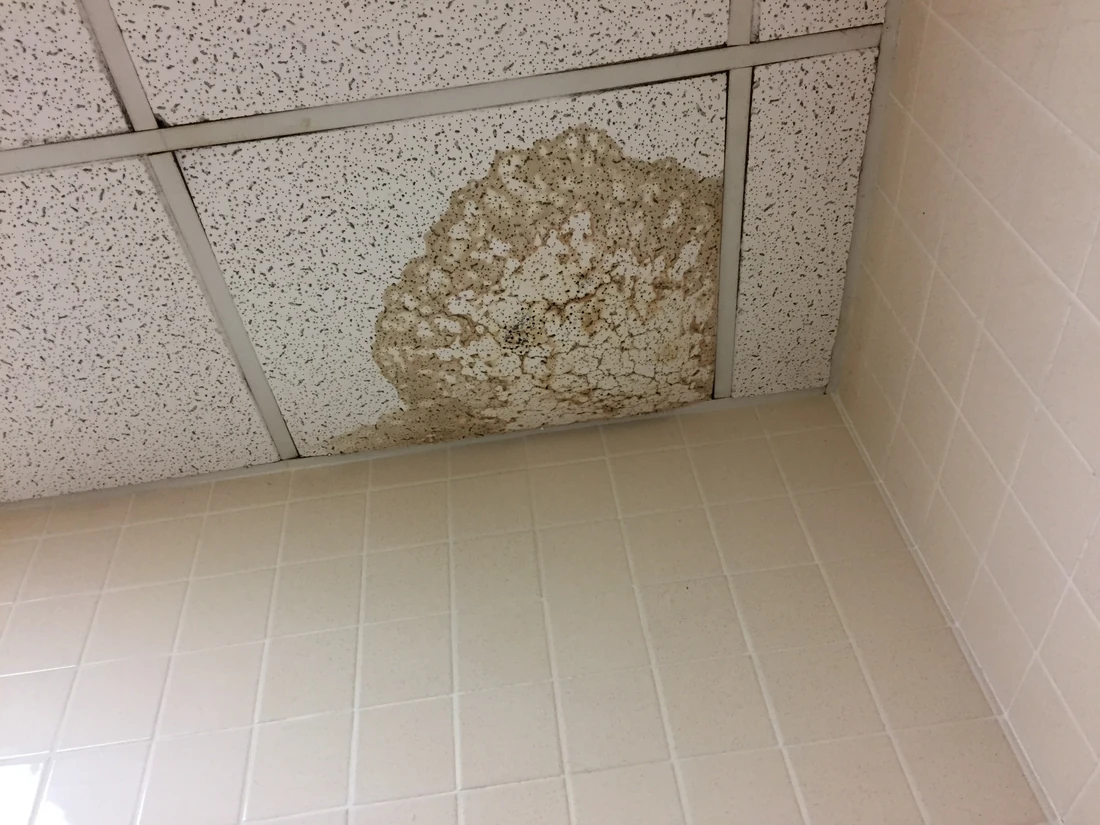
That is a big number. But most leaks are not that big. A supply line drips under a sink, a toilet overflows, a ceiling stain shows up under a bathroom. Those are the jobs where people stop and ask this question. The repair is close to the deductible, and the rate hike is a real cost.
Insurance companies and agents write most of what you will find on this question. They tell you rates can rise, then stop. This post gives you the real percentages and the state rules that can protect you. It shows how long a claim follows you and how to decide whether to file. Every figure links to its source, as of October 2026.
How Much Rates Rise After One Water Claim
The best public numbers come from an Insure.com study updated August 11, 2026. It used 2025 rate data on more than 17.8 million quotes from 134 companies across every state. The sample home had $300,000 of dwelling coverage and a $1,000 deductible.
- One water claim raised the premium about 25 percent on average across the country.
- A second water claim raised it about 46 percent.
- Weather claims were the mildest, at 18 percent for a first claim. Fire was the steepest, at 28 percent.
Your state changes the answer a lot. The same study lists first water claim increases by state.
Premium Increase After a Water Claim
Average increase in percent, from the Insure.com study of 2025 rates. First claim unless noted.
- Second claim, national46%
- Maine42%
- California32%
- New York32%
- National average25%
- Louisiana11%
- Florida8%
The study also tracked one real Michigan homeowner. After an electrical claim, the premium went from $1,004 to $1,296, close to 30 percent. About $173 of that came from losing a claim free discount. That is the part people forget. You can lose a discount on top of the surcharge.
Why a Water Claim Can Cost More Than a Storm Claim
Insurers price the future, not the past. A hailstorm says little about your house. A leak says something about your plumbing, your water heater or how fast you noticed a problem. That is why water claims rise faster than weather claims in the study above.
Some states push back on this. Two examples we checked on official pages.
| State | What the rule says |
|---|---|
| Texas | The Texas Department of Insurance updated this page February 26, 2026. It says home insurers cannot raise your premium for claims from weather or other natural causes. They also cannot use a water claim from an appliance if the repairs were inspected and certified. That holds unless you have three or more claims in three years. |
| Florida | The Florida Department of Financial Services says one water damage claim cannot be the only reason to cancel or nonrenew a policy. The exception is when you failed to take steps the insurer asked for to prevent a repeat. Nonrenewal generally needs 120 days of written notice with a specific reason. |
Notice what both rules reward. Fix the cause and keep the proof. Save the plumber’s invoice for the new supply line or water heater. Save photos of the repair and any inspection note. Keep them with your claim papers. If your insurer asks you to replace an old part to prevent a repeat, do it and keep the receipt.
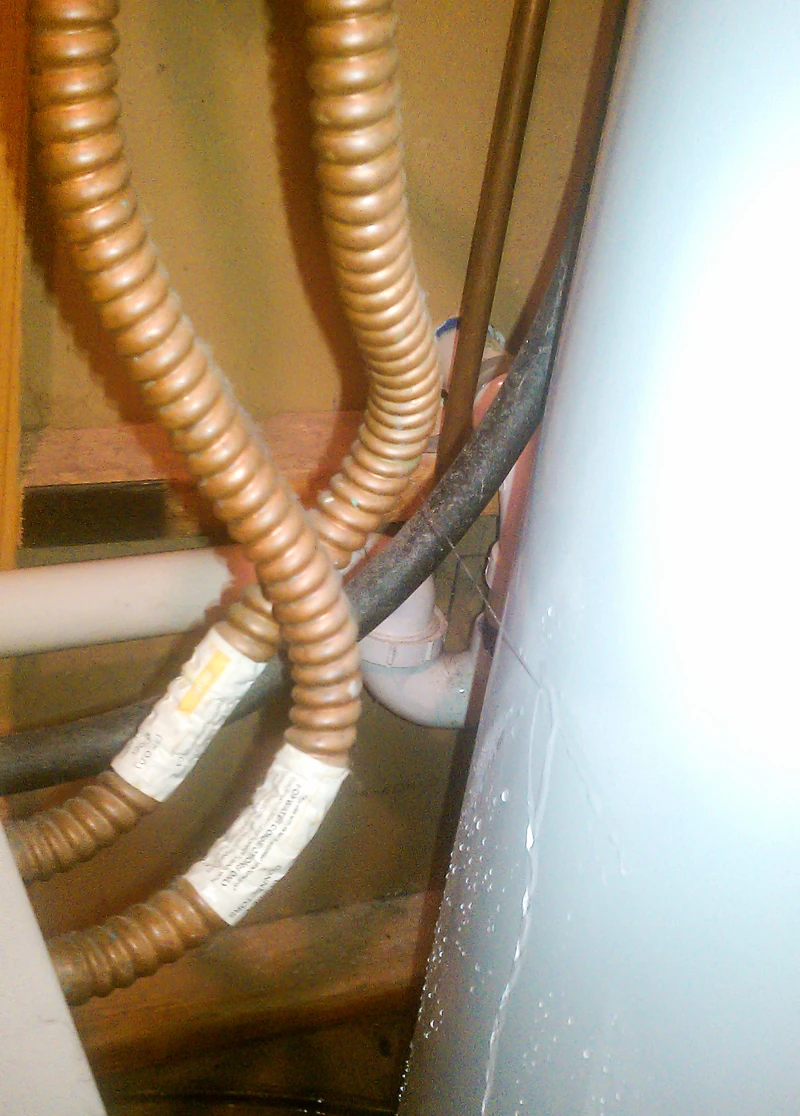
Our guide to water heater leak cleanup shows what to save while you clean up.
Your Claim Follows You Through the CLUE Report
A claim does not stay with one insurer. Most insurers check a shared claims history called the CLUE report, short for Comprehensive Loss Underwriting Exchange. The Consumer Financial Protection Bureau says it holds up to seven years of home and personal property claims. Insurers use it to decide which policies to offer and what to charge.
Three things about it surprise people.
- Switching companies does not wipe it. The Texas Department of Insurance says insurers use it to see claims you filed with other companies.
- It can follow the house. The Insure.com study says the report usually looks back five years and includes claims filed before you owned the home. If you are buying a house, ask the seller for a copy.
- Mistakes happen. The CFPB says you can dispute wrong entries at no charge. The company that supplied the error has to fix it.
You can get your own report free once every 12 months. The CFPB lists the LexisNexis consumer center at 866-897-8126 and consumer.risk.lexisnexis.com/consumer. Texas lists 866-312-8076. A second claims database, A-PLUS from Verisk, also gives one free report every 12 months, according to the CFPB. The CFPB also says you get a free copy from the company named in an adverse action notice. A denial based on one of these reports is one example.
Our tip is simple. Pull your report before you shop for a new policy and before you sign on a house. Ten minutes on the phone can explain a quote that makes no sense.
File or Pay It Yourself, the Simple Math
The National Association of Insurance Commissioners gives the starting rule. Find out your deductible first. For minor damage you may be better off paying yourself. If the repair will cost more than your deductible, a claim may make sense.
We would add one more step. Compare what the claim pays you to what the increase could cost you. Take a worked example. The average homeowners premium was $1,569 in 2022, the latest NAIC figure the Insurance Information Institute reports. A 25 percent increase on that is about $392 a year. If it lasted three years, that is about $1,177. If it lasted five, about $1,961. These are illustrations, not quotes. Your insurer sets how long a surcharge lasts.
Now put that next to real repair costs. The ranges below come from our own water damage restoration cost guide, with a $1,000 deductible taken off.
| The job | Typical drying cost | Left after a $1,000 deductible | Our lean |
|---|---|---|---|
| Small clean water spill in one room, caught within hours | $1,000 to $3,000 | $0 to $2,000 | Often pay it yourself |
| Ceiling leak from a bathroom above, one room below | $1,500 to $5,000 | $500 to $4,000 | Get a written estimate, then decide |
| One or two rooms with wet drywall and carpet | $2,500 to $7,500 | $1,500 to $6,500 | Usually file |
| Several rooms or a finished basement | $7,000 to $20,000 | $6,000 to $19,000 | File |
Those ranges cover the drying and tear out only. Rebuild with new drywall, paint and flooring is extra, and it can add thousands. So a job that looks borderline at the start often is not borderline at the end.
Two warnings before you decide to pay. First, do not guess at the size of a leak you cannot see. Water inside a wall or under a floor grows the bill fast. Second, our guide to what homeowners insurance covers explains why policies ask for prompt notice. If you wait, then find more damage, late notice can hurt the claim.
Questions, Denied Claims and Claims That Pay Nothing
A lot of people are afraid to even call. The rules depend on your state, so we list only what we could confirm.
In Texas, the Department of Insurance says companies cannot charge you more for a claim they did not pay. That includes a claim denied because the policy did not cover the damage. They also cannot charge you more because you called your company or agent to ask about your policy or the claims process.
Other states have their own rules, and we did not find one plain national standard. If you are unsure, do these first.
- Read your declarations page. It shows your deductible, and some policies have a separate water deductible.
- Read the water and mold parts of the policy. Know whether you have a water backup endorsement before you talk to anyone.
- Call your state insurance department. It can tell you how your state treats questions and unpaid claims.
- Get a repair estimate. A real number beats a guess when you decide.
If you do file, how you describe the damage matters. Read what not to say to an insurance adjuster after water damage before the first call. Then use our guide to documenting damage for a claim so the photos and receipts are ready.
Ways to Keep the Increase Small
You cannot control the surcharge table. You can control most of what feeds it.
- Do not stack small claims. The Insure.com study says many insurers will drop coverage after three claims in three years, of any type. Save the policy for the losses that hurt.
- Fix the source for good. Replace the failed supply line, valve or tank, and keep the invoice. Texas and Florida both reward this in their rules.
- Stop the damage fast. A spill caught in hours is a small check. A leak found after a week is a big one, and it can bring in mold, which policies often cap.
- Check your CLUE report every year. It is free, and a wrong entry can cost you on every quote.
- Shop at renewal. Insurers weigh a claim differently. A higher quote from one company is not the price everywhere.
- Ask about a claim free discount before you file. Knowing what you would lose makes the math clear.
And if the damage is big, file. Insurance is for the losses you cannot cover yourself. A 25 percent bump on a policy is a lot easier to carry than a $20,000 repair.
This is general information, not insurance or legal advice. Your policy and your state’s rules control your claim.
Notes
Every figure above comes from these pages, as of October 2026. Repair cost ranges are from our own cost guide, as noted where they appear. The premium math is a worked example.
- Insure.com, How much do claims increase home insurance premiums, updated August 11, 2026
- Texas Department of Insurance, Will my premium go up if I file a claim
- Florida Department of Financial Services, Homeowners Insurance Overview
- Insurance Information Institute, Facts and Statistics, Homeowners and Renters Insurance
- Consumer Financial Protection Bureau, LexisNexis C.L.U.E.
- Consumer Financial Protection Bureau, Do insurance companies share my information about claims
- Consumer Financial Protection Bureau, A-PLUS Property
- National Association of Insurance Commissioners, What You Need to Know When Filing a Homeowners Claim
What Readers Write In
Will my homeowners insurance go up if I file a water damage claim?
Usually, yes. An Insure.com study of 2025 rates, updated August 11, 2026, found one water claim raised premiums about 25 percent on average and a second about 46 percent. Some states limit this. In Texas, insurers cannot raise your premium for a claim they did not pay.
How much does insurance go up after a water damage claim?
About 25 percent on average for a first water claim, by the Insure.com study, but it varies by state. The same study found 8 percent in Florida, 32 percent in California and New York, and 42 percent in Maine. You may also lose a claim free discount.
Should I file a home insurance claim for water damage?
File when the repair is well above your deductible, or when the water reached walls, floors or more than one room. Pay small jobs near your deductible yourself. Get a written estimate before you decide, and do not wait long, because policies ask for prompt notice.
How long does a water damage claim stay on your insurance?
The CLUE claims database holds up to seven years of home claims, according to the Consumer Financial Protection Bureau. The Insure.com study says insurers usually look back about five years. You can get a free copy of your report once every 12 months.
What is the average water damage claim?
Industry figures from ISO, published by the Insurance Information Institute, put the average water damage and freezing claim at about $15,400 for 2019 to 2023. Water and freezing made up 22.6 percent of homeowners claims in 2023.
Will insurance go up if a claim is denied?
In Texas, no. The Texas Department of Insurance says companies cannot charge you more for claims they did not pay, including denied claims, or for calls asking about your policy. Rules differ in other states, so ask your state insurance department.
Find a Company
Compare water damage restoration companies in 506 US metro areas, or use the near me finder. Every listing shows the company’s own phone number, and we never sell your call.
Next Stop
- DIY with careDoes Homeowners Insurance Cover Water DamageWhat homeowners insurance usually covers for water damage, what it usually excludes, why flood is separate, and how to read your own policy before you file.
- DIY with careWater Damage Restoration Cost in 2025 and 2026Typical 2025 to 2026 water damage restoration costs by job size, water category and equipment, what drives the price up or down, and how insurance fits in.
- DIY friendlyHow to Document Damage for an Insurance ClaimA step by step way to photograph damage, list ruined belongings, keep receipts and a claim log, so your insurance claim is paid on facts instead of memory.
- DIY with careWater Heater Leak or Failure, Shutoff and CleanupWhat to do when a water heater leaks. Shut off water and power or gas safely, find the leak source, drain the tank, clean up and decide repair or replace.
- DIY friendlyWasher, Dishwasher, Fridge and Toilet Supply Line LeaksHow washer hoses, dishwasher lines, ice maker tubing and toilet supply lines fail, how to clean up each kind of leak, and how to replace a line yourself.
- DIY friendlyA Home Leak Prevention Checklist You Can Finish in One WeekendA room by room leak prevention checklist for supply lines, water heaters, drains, roofs and AC lines, with what to check monthly, yearly and before travel.
More Posts
- Insurance claims · October 23, 2026Never Accept a Water Damage Claim Denial Before Checking ThisSeven reasons water claims get denied, the proof that answers each one, state deadlines for insurers and you, and the appeal steps that can turn a no around.
- DIY or hire · October 19, 2026Can I Do Water Restoration Myself?Yes for a small clean water leak caught fast. No for sewage, floodwater, old walls or mold. Five tests, the gear and its cost, and how to prove it is dry.
- Insurance claims · October 15, 2026What Not to Say to an Insurance Adjuster After Water DamageDo not guess the cause, timing or cost, and do not call it a flood unless it was. What to say instead, plus Texas, Florida, California and flood rules.
- Water damage · October 13, 2026How to Tell If Water Damage Is PermanentClean water dried within 48 hours usually leaves nothing lasting. Swollen seams, soaked insulation, sewage and mold do. A material by material test.
- Water damage · October 6, 2026What Happens During a Water Damage Restoration JobWhat a restoration crew actually does after a leak or flood, from the first visit to the day the dryers leave, and where you and your insurer fit in.
- Mold · October 6, 2026What a Mold Remediation Plan Should Say, and How Clearance WorksWhat a written mold remediation plan should say, how the work is sized, and how clearance testing shows the job is done. Plain steps for homeowners.
- Fire and smoke · October 6, 2026After a House Fire, What Happens to Your BelongingsHow contents cleaning and pack-out work after a house fire, what can usually be saved, what should go, and how to keep your insurance claim clean.
- Asbestos · October 6, 2026Asbestos Testing Before a Remodel, From First Question to Lab ReportHow asbestos testing works before you remodel an older home, who should take samples, what the lab report means, and what to do if you disturbed it.
- Storm and fire · October 6, 2026Board-Up Service After a Fire or Storm, What It Is and How to Hire OneWhat board-up and emergency securing services do after a fire, break-in or storm, how to avoid scams, and how to protect your insurance claim.