Insurance claims
Never Accept a Water Damage Claim Denial Before Checking This
A denial letter feels like the last word. It is not. Weiss Ratings, in October 2026, found that insurers closed 42.1 percent of homeowner claims without payment in 2024, up from about 25.7 percent in 2004. Many of those no answers rest on one disputed fact, like whether a leak was sudden or slow. Get the reason in writing, answer it with the failed part, dated photos and a plumber’s note, and watch two clocks. One is the time your state gives the insurer to decide. The other is the time limit in your policy to sue.
Published October 23, 2026 by the Remediational editors. General information, not professional, legal or insurance advice.
Sections
7 sections
A Denial Is a Position, Not a Verdict
Water is a big part of what home insurers pay out. Industry figures from ISO, published by the Insurance Information Institute, put the average water and freezing claim at $15,400 from 2019 to 2023. With that much money on the line, the first letter you get is the insurer stating its side.
The trend is moving against homeowners. Weiss Ratings says the nationwide share of homeowner claims closed without payment rose from about 25.7 percent in 2004 to 42.1 percent in 2024. Weiss does not say how many of those fell under a deductible or were dropped by the owner, so it is not a pure denial rate. Still, a closed claim with no check now happens on about two claims in five.
So treat the letter as an opening move. Your job is to find the one sentence the denial rests on, then answer that sentence with proof. The rest of this post walks through the common reasons, the deadlines that bind the insurer and you, and the paths that can turn a no into a check, as of October 2026.
Seven Reasons Water Claims Get Denied
Water denials tend to land on one of seven grounds. The letter may use different words, but the idea behind it is usually one of these.
| What the letter says | What it usually means | Proof that can answer it |
|---|---|---|
| Repeated seepage or leakage over time | The adjuster thinks the leak ran for weeks or months | A plumber’s written note on how the part failed, the failed part itself, dated photos from day one |
| Wear and tear, deterioration or lack of maintenance | The cause was an old part, not an accident | Receipts for past plumbing work, the age of the failed part, a note that the break was sudden |
| Flood or surface water | Water came in from outside, across the ground | Proof the water came from a pipe, an appliance or a roof opening made by wind |
| Water backup through sewers or drains | No backup endorsement on the policy | Your declarations page and every endorsement, read line by line |
| Freezing in a vacant or unheated home | The heat was off or the pipes were not drained | Utility bills, a thermostat log, a note from a house sitter |
| Late notice | You reported the loss after a policy or state deadline | The date you found the damage and the date you first called |
| Failure to protect the property | The insurer says the damage grew because nobody dried it | Invoices for water extraction, drying logs and moisture readings |
Read the table from the right. Each reason is a claim about facts, and facts can be shown. A denial for gradual leakage is a claim about time. A denial for flood is a claim about where the water came from. Our guide to what homeowners insurance covers for water damage explains each exclusion in plain words.
One more point that insurers rarely raise for you. Standard homeowners policies leave flood out, and FEMA says so plainly on FloodSmart. But water from a burst pipe that runs across the floor is not a flood just because it is on the ground. Ask the adjuster to name the source of the water in writing.
Sudden or Gradual Is Where Most Fights Happen
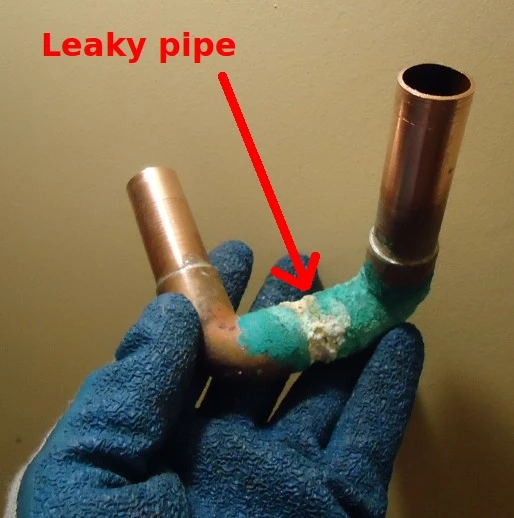
The gradual leak exclusion causes more water fights than any other. The adjuster sees stains, rot or mold and decides the leak ran for a long time. Sometimes that is right. Sometimes it is a guess.
Mold is the trap. The EPA tells homeowners to dry wet materials within 24 to 48 hours to prevent mold growth. In other words, mold can start within days of a sudden break. Some growth found a week after a supply line burst does not, by itself, prove the line leaked for months.
From the restoration side, we see the same evidence decide these claims again and again.
- The failed part. A split hose, a cracked fitting or a blown valve tells its own story. Bag it, label it and do not let anyone throw it out.
- Day one photos. Wide shots of each room, then close shots of the source. Phone photos carry the date.
- Moisture readings. A restoration crew maps wet areas with meters on the first visit. Those readings show how far the water spread and how fast.
- A plumber’s note. One paragraph that names the part, how it failed and whether the failure looks sudden.
Also ask whether your policy has ensuing loss wording. Some policies exclude the worn part itself but still cover the water damage that follows when it finally breaks. The insurer may not point this out, so read for it.
The Clock Runs Both Ways
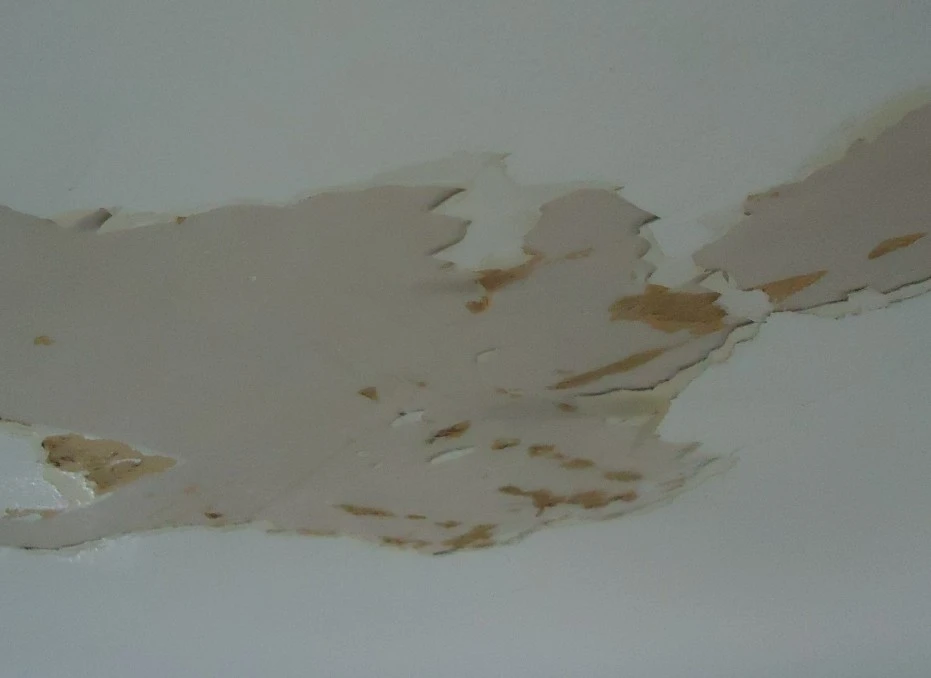
States put the insurer on a timer. A slow answer is not just rude. In many states it breaks a rule you can report.
How Long the Insurer Has to Decide
Time to accept or deny a home claim under state rules, as of October 2026. Days are calendar days unless noted.
- Florida, after notice of the claim60 days
- Texas, when the insurer needs more time45 days
- California, after proof of claim40 days
- Texas, after it has all the information15 business days
The rules also say what a denial must contain. That matters, because a vague letter is harder to fight than a specific one. If your letter does not quote the policy, ask for the exact wording in writing.
| State | What the insurer owes you on a denial | A date to watch |
|---|---|---|
| California | A written denial listing all bases for it, and a statement that you may have the denial reviewed by the California Department of Insurance, with its address and phone (10 CCR 2695.7) | The insurer must warn you in writing at least 60 days before any time limit it may rely on runs out |
| Florida | A reasonable written explanation of the policy basis for a denial or partial denial (section 627.70131) | A new or reopened claim is barred unless notice is given within 1 year of the date of loss, and a supplemental claim within 18 months (section 627.70132) |
| Texas | The reason for the denial, in writing (Texas Department of Insurance) | For damage from a disaster, written notice at least 61 days before you sue |
Your own deadlines are just as real. If the loss was a flood covered by a federal flood policy, FEMA says you must appeal within 60 days of the date on the denial letter, and you must sue within one year of the denial. An appeal does not stop that one year clock, according to FloodSmart.
Homeowners policies have their own time limit to sue, written into the policy itself. Find it before you do anything else and put the date on your calendar.
How to Appeal, Step by Step
Work in writing from the first day. Every call should end with a short email that repeats what was said.
- Get the denial in writing. It should name the policy section the insurer relies on. If it does not, ask for it.
- Ask for the reports behind it. Request copies of the adjuster’s report, any engineer or plumber report and the photos the insurer took. Some insurers share them on request.
- Read the whole policy. Start with the declarations page, then every endorsement. An endorsement can change the exclusion the letter quotes.
- Answer the reason, not the outcome. If the letter says gradual leak, send proof about time. If it says flood, send proof about the source.
- Write the appeal letter. Include the claim number, the date of the denial and each reason the insurer gave. Answer each reason with one piece of evidence and attach it.
- Ask for a new inspection. Ask that your plumber or restoration company be present, with their readings in hand.
- Send it so you can prove it. Use certified mail or email, and keep the receipt or the sent message.
Do not stop drying while you argue. Most policies expect you to protect the property from more damage. Keep paying for extraction and drying if you can, and keep every invoice. Our guide to documenting damage for a claim shows what to photograph and what to save. If you have not spoken to the adjuster yet, read what not to say to an insurance adjuster after water damage first.
When the Insurer Still Says No
An appeal to the insurer is the first door. Four more stand behind it, and they do different jobs.
A complaint to your state insurance department. The National Association of Insurance Commissioners says a state department can investigate complaints for free, including unfair claim delays or denials. Its guide says to bring your policy number, a log of every contact, the policy language and the outcome you want. Most states take complaints online, by mail or by phone, according to the NAIC.
Appraisal. This settles a fight about the amount, not about whether the loss is covered. The Texas Department of Insurance describes how it works. Each side hires an appraiser, and if they disagree, an umpire decides. The umpire’s decision binds both you and the insurer. So use appraisal for a lowball offer, not for a flat denial.
State mediation. Florida runs a program for home claims. The insurer pays the full $350 fee. The dispute must be at least $500 after the deductible, and it must be about the cause of the damage or a repair offer. Mediation is not binding, and if you settle you get three business days to change your mind, as long as you have not cashed the check. Details are on the Florida Department of Financial Services site.
A public adjuster or an attorney. A licensed public adjuster works for you and is paid a share of what you recover. An attorney can tell you whether the denial breaks your state’s claim rules. For a large loss, or a denial built on an engineer’s report, one call is worth making before any deadline passes.
What to Do This Week
If the letter came today, these five moves protect you while you decide how hard to push.
- Find the time limit to sue in your policy and put it on a calendar.
- Save the failed part, the photos and every invoice in one folder.
- Ask for the denial reason and the policy wording in writing.
- Ask for the adjuster and engineer reports.
- Keep drying the home and keep the receipts.
A denial built on a guess about time or source can often be turned. A denial built on a clear exclusion, like flood with no flood policy, usually cannot. Knowing which one you hold is the first win.
Notes
Figures and rules above come from these pages, as of October 2026. This is general information, not legal or insurance advice. Your policy and your state’s rules decide your claim.
- Weiss Ratings, Home insurers often collect when consumers are safe but retreat when disaster strikes, October 19, 2026
- Insurance Information Institute, Facts and Statistics, Homeowners and Renters Insurance
- California Code of Regulations, Title 10, Section 2695.7, via Cornell Legal Information Institute
- Florida Statutes, Section 627.70131, Insurer duty to acknowledge communications regarding claims
- Florida Statutes, Section 627.70132, Notice of property insurance claim
- Florida Department of Financial Services, Residential Property Mediation
- Texas Department of Insurance, Home insurance guide, updated June 1, 2026
- NAIC, How do I file a complaint against my insurance company
- FloodSmart, Appeal a Claim
- FloodSmart, National Flood Insurance Program home page
- EPA, A Brief Guide to Mold, Moisture and Your Home
What Readers Write In
Why would insurance deny a water damage claim?
Usually because the insurer says the leak was gradual, the cause was wear or poor upkeep, the water was a flood or a sewer backup the policy excludes, the home was unheated, or the loss was reported late. Each of those is a claim about facts that you can answer with evidence.
What are the two main reasons for denying a claim?
For water losses, the two big ones are an excluded cause, such as a slow leak or a flood, and a broken policy condition, such as late notice or not protecting the home from more damage. The denial letter should say which one the insurer is relying on.
Will insurance go up if a claim is denied?
It depends on your state. In Texas, the Department of Insurance says companies cannot charge you more for a claim they did not pay. Other states have their own rules, so ask your state insurance department.
How long do I have to appeal a denied water damage claim?
For a federal flood policy, FEMA gives you 60 days from the date on the denial letter, and one year from the denial to sue. A homeowners policy sets its own time limit to sue, so find it in your policy. In California, the insurer must warn you at least 60 days before a time limit it plans to rely on runs out.
Can I reopen a denied water damage claim?
Often you can ask, especially with new evidence. In Florida, a reopened claim must be noticed within one year of the date of loss, and a supplemental claim within 18 months, under section 627.70132 of the Florida Statutes.
What can be done if insurance denies a claim?
Appeal in writing with evidence, ask for a new inspection, file a complaint with your state insurance department, use appraisal if the fight is about the amount, and talk to a public adjuster or attorney for a large loss.
Find a Company
Compare water damage restoration companies in 506 US metro areas, or use the near me finder. Every listing shows the company’s own phone number, and we never sell your call.
Next Stop
- DIY with careDoes Homeowners Insurance Cover Water DamageWhat homeowners insurance usually covers for water damage, what it usually excludes, why flood is separate, and how to read your own policy before you file.
- DIY friendlyHow to Document Damage for an Insurance ClaimA step by step way to photograph damage, list ruined belongings, keep receipts and a claim log, so your insurance claim is paid on facts instead of memory.
- DIY with careWater Damage Categories and Classes ExplainedWhat Category 1, 2 and 3 water and Class 1 to 4 water damage mean, how to classify your own leak, and how these labels shape safety, cleanup and cost.
- Call a proSewage Backup Cleanup, What You Can and Cannot DoWhat to do when sewage backs up into your home. How to stay safe, what you can clean yourself, what must be thrown out, and when to call a specialist.
- DIY with careSump Pumps and Backwater Valves, How They Work and How to Keep Them WorkingHow sump pumps and backwater valves keep basements dry, how to test them twice a year, when to add a battery backup, and what installation usually involves.
- DIY with careWork Authorizations and Assignment of Benefits, What You Are SigningWhat a restoration work authorization, direction to pay and assignment of benefits really do, the clauses to check before signing, and how to stay protected.
More Posts
- Insurance claims · October 21, 2026Will My Insurance Go Up If I File a Water Damage Claim?Usually yes. One water claim adds about 25 percent at renewal on average and stays on your record for years. When to file, when to pay, and state rules.
- DIY or hire · October 19, 2026Can I Do Water Restoration Myself?Yes for a small clean water leak caught fast. No for sewage, floodwater, old walls or mold. Five tests, the gear and its cost, and how to prove it is dry.
- Insurance claims · October 15, 2026What Not to Say to an Insurance Adjuster After Water DamageDo not guess the cause, timing or cost, and do not call it a flood unless it was. What to say instead, plus Texas, Florida, California and flood rules.
- Water damage · October 13, 2026How to Tell If Water Damage Is PermanentClean water dried within 48 hours usually leaves nothing lasting. Swollen seams, soaked insulation, sewage and mold do. A material by material test.
- Water damage · October 6, 2026What Happens During a Water Damage Restoration JobWhat a restoration crew actually does after a leak or flood, from the first visit to the day the dryers leave, and where you and your insurer fit in.
- Mold · October 6, 2026What a Mold Remediation Plan Should Say, and How Clearance WorksWhat a written mold remediation plan should say, how the work is sized, and how clearance testing shows the job is done. Plain steps for homeowners.
- Fire and smoke · October 6, 2026After a House Fire, What Happens to Your BelongingsHow contents cleaning and pack-out work after a house fire, what can usually be saved, what should go, and how to keep your insurance claim clean.
- Asbestos · October 6, 2026Asbestos Testing Before a Remodel, From First Question to Lab ReportHow asbestos testing works before you remodel an older home, who should take samples, what the lab report means, and what to do if you disturbed it.
- Storm and fire · October 6, 2026Board-Up Service After a Fire or Storm, What It Is and How to Hire OneWhat board-up and emergency securing services do after a fire, break-in or storm, how to avoid scams, and how to protect your insurance claim.